-
Home

-
Topics
- Cleaning/Disinfection

Cleaning/Disinfection
Saving water | In the brewing industry, too, the focus has turned to the consumption of our precious water resources in an attempt to minimise our impact on the environment. Water isn’t just the main ingredient in the production of beer but also essential as process water, such as in the use of the pasteuriser, reverse osmosis, the cooling tower and wastewater system. Efficient measures and technologies can help to significantly reduce the amount of water consumed in these areas and thus enable breweries to operate more sustainably. In this article, various approaches will be outlined as to how breweries can increase their water efficiency using specific measures.
Quality assurance
Best prerequisites | The fourth part of our Hygienic Design series introduces the European Hygienic Engineering and Design Group (EHEDG). The German test centre is located at the Weihenstephan Research Centre for Brewing and Food Quality (BLQ). Its particular facilities ensure that Hygienic Design assessment, so important for the brewing and food industries, can be carried out.
Cleaning/Disinfection
Aseptic filling | The third part of the BRAUWELT series about hygienic design covers a very specific application: aseptic filling. For these processes, it is important that fittings have special properties. To test whether fittings are suitable for aseptic processes, the Weihenstephan Research Centre for Brewing and Food Quality at the TU Munich offers specific EHEDG testing methods. These are, among others, the basis for an EHEDG aseptic certification.
Cleaning/Disinfection

Disinfection processes | Chlorate is a by-product of disinfectants harmful to health. It can form during water disinfection and thus has to be monitored during beverage production. It is important to become familiar with the causes, legal framework, recommendations, sources of ingress and implications for health of chlorate in order to develop effective prevention routes and strategies for avoiding exposure to chlorate. In this technical article, the focus is on these measures from the aspect of “Safe and low-chlorate operation of disinfection plants existing or planned”.
Cleaning/Disinfection
Cleaning efficiency | Modern CIP systems are only a point of discussion when they don’t work as they should do. CIP systems provide great service for a long time without any grounds for complaint or the need for any further intervention – bar the necessary maintenance. Their degree of efficiency can decrease, however. More detailed study of CIP systems reveals that they do indeed have several weak points that can mutate into risks.
Cleaning/Disinfection
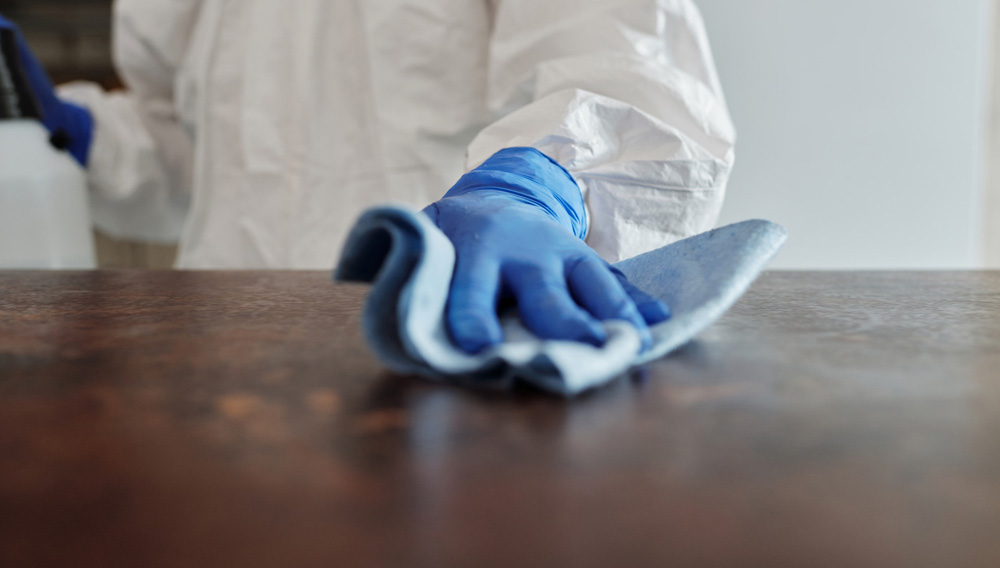
Contamination | Hygiene deficiencies on filling systems are usually a home-made problem. Even if this sounds like an extremely simple statement to make, nevertheless it’s a fact. But why is this so? And why do quality controllers today often not identify the weak points at their own plant? This requires some explanation, for it’s not for lack of suitable training.
Quality assurance
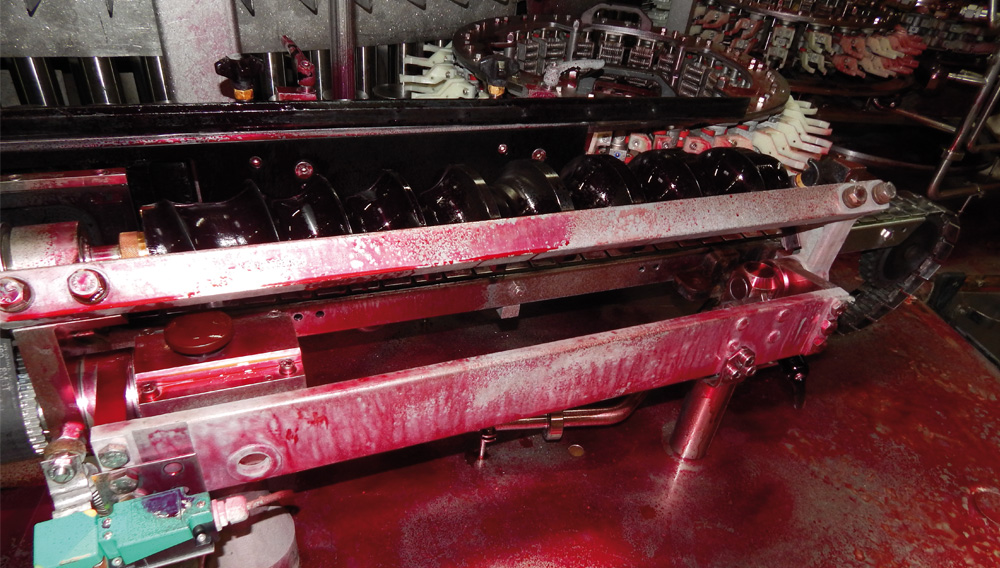
Cleaning results validated | Spray shadow tests are a useful and proven tool for validation of automatic cleaning systems. This holds true for new installations, changes to existing systems and regular revision. Based on two industrial examples, the usefulness of two different spray shadow tests, both used at VLB, is illustrated.
Cleaning/Disinfection
Optimised cleaning | On-demand cleaning is today often seen as a vision for a new form of sanitation. But what’s behind this? How is the need for cleaning defined? Martin Löhrke, CEO of Jürgen Löhrke GmbH in Lübeck, Germany, takes a look at the options already in place to meet the requirements of individual cleaning operations.
Cleaning/Disinfection
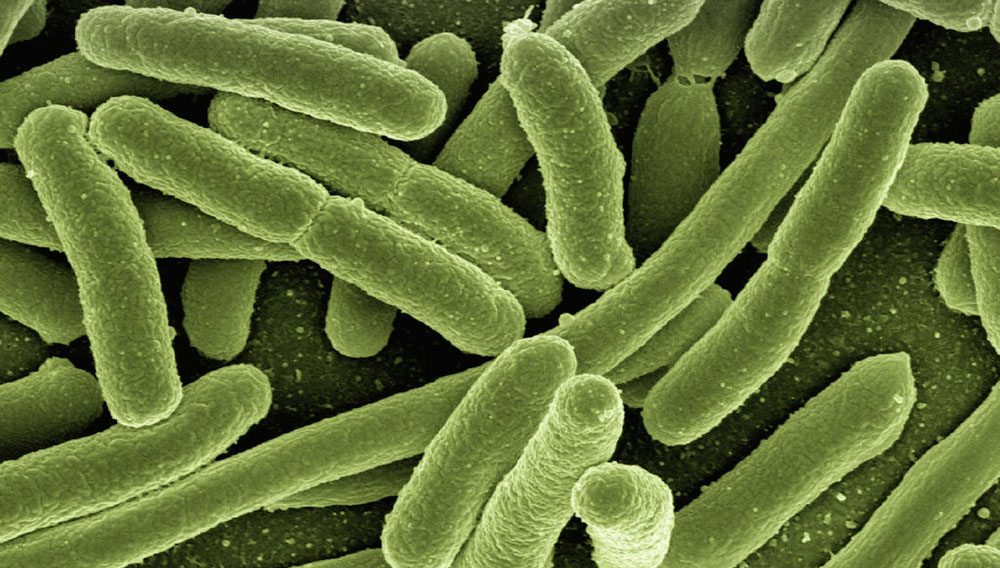
Brewery hygiene | If we look back on 50 years of brewing microbiology, we gain a number of extremely interesting insights. Can we draw a positive conclusion here or are there also negative aspects that have to be taken into account?
On tap
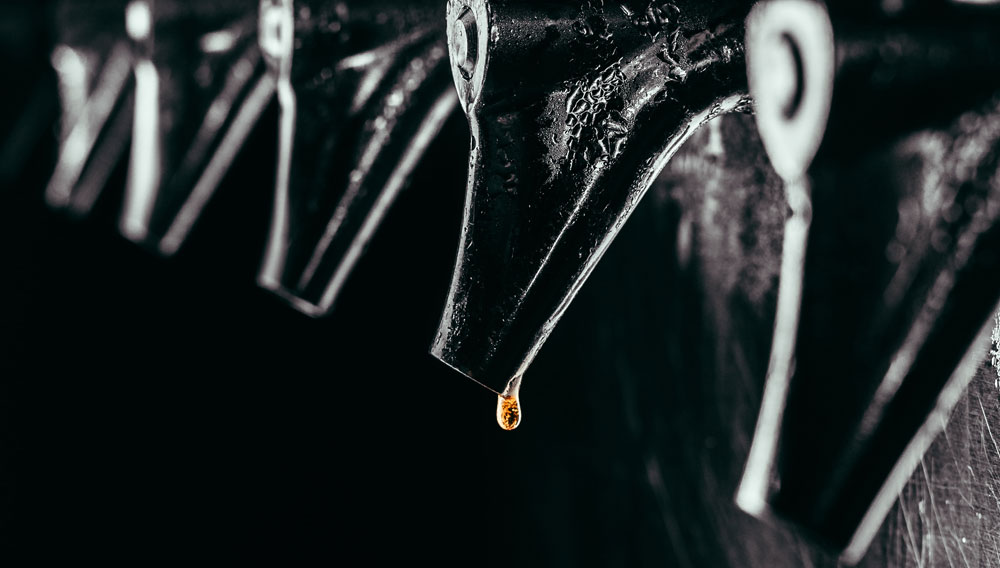
Recommended cleaning intervals | Beer hoses are currently being analysed in terms of life and cleanability in the context of an in-depth study at the Technical University of Munich (TUM) in Freising. Investigations described focus on appropriate cleaning intervals. Growth patterns of various microorganisms in beers were recorded in order to come up with information about necessary cleaning intervals of beverage dispensing units.
Cleaning/Disinfection
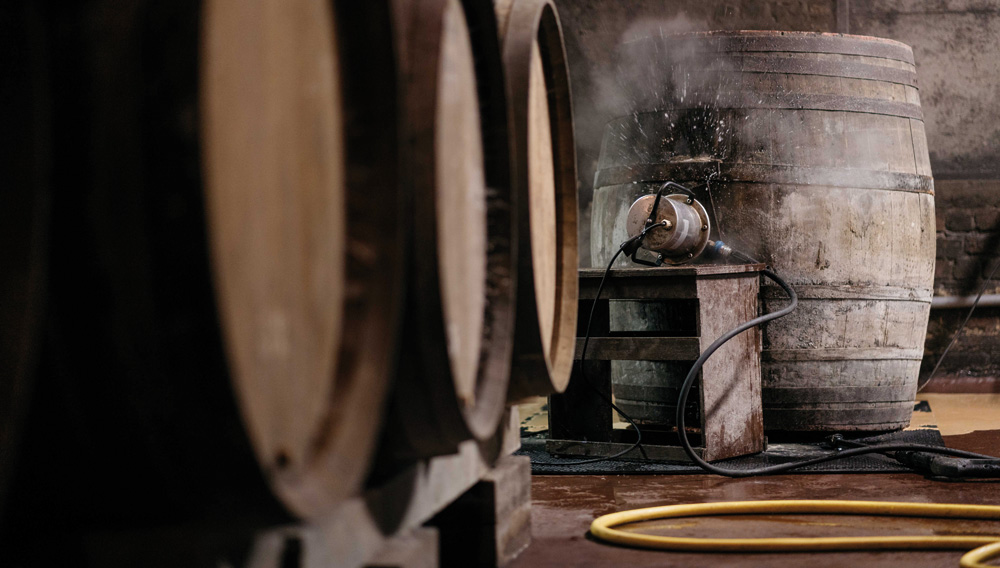
Barrel ageing | In recent years, maturation of beers in wooden barrels is becoming an interesting avenue for breweries to expand and refine their beer portfolios. Especially in the craft beer sector there is an increasing consumer demand for more complex flavours and aromas, many of which can be obtained through barrel ageing of beer. However, microbial spoilage of the barrel has to be effectively controlled in order to ensure consistent product quality and reduce profit losses.
Current issue
Current issue
Most Read
BRAUWELT on tour
No events found
-
Hopsteiner
2026 Guidelines for Hop Buying – introduction and market report
-
Hopsteiner
Global Crop estimate 2026
-
Hopsteiner
Hopsteiner breeding program: cutting-edge Technology for yield, resilience, and brewing quality
-
Hopsteiner
Hopsteiner reinforces its sales and marketing teams
-
Hopsteiner
Global acreage, crop and yields