-
Home

- Over a pint

Over a pint
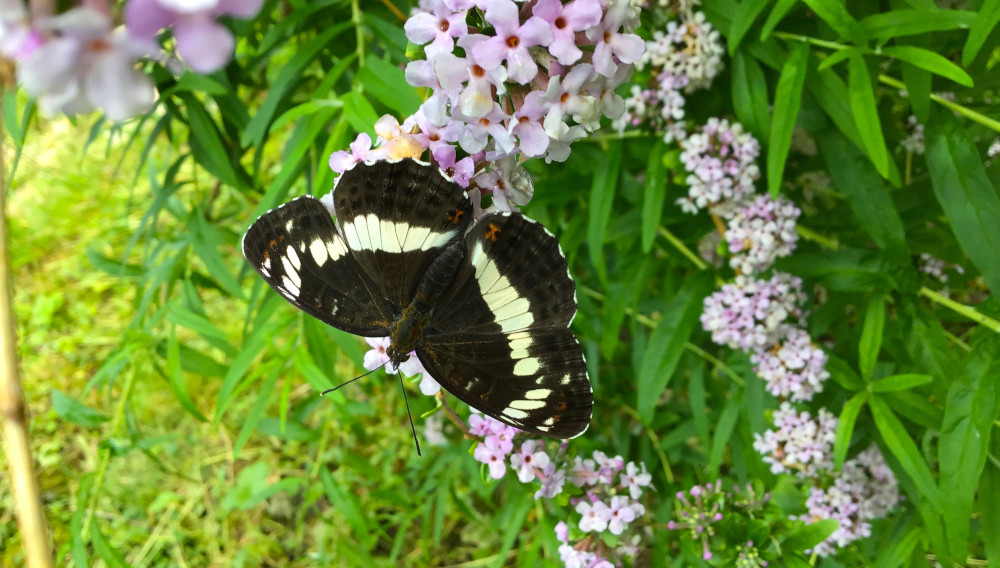
Over our Earth’s 4.543 billion year history, life has largely been content with remaining in the sea. However, over the last several hundred million years, some species began to grow restless enough to slowly start venturing into freshwater rivers and lakes and finally onto dry land. Though cyanobacteria had moved into freshwater reservoirs around a couple of billion years ago, they had not yet made the transition to terrestrial life. The first plants to do so only began colonizing the land around 0.5 billion, i.e., 500 million, years ago, and the first arthropods and arachnids followed not long after – as geologic time is reckoned. They were the first creatures to breathe air.
Over a pint
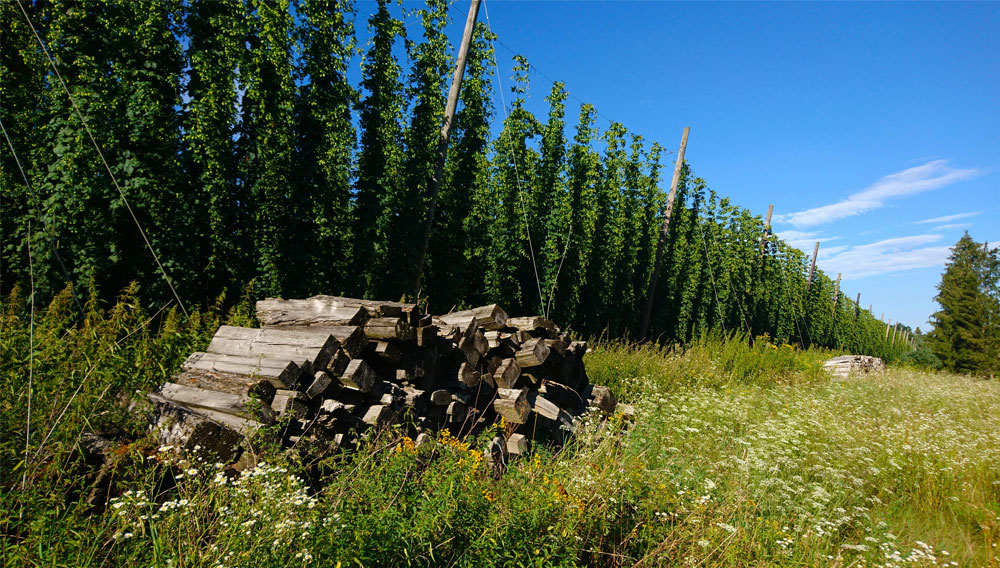
There are areas around the world set aside for agriculture that may look green and appealing to us with their nicely organized rows of plants yielding food or textiles for our consumption, but in Mother Nature’s eyes, they’re ugly and appalling. Why? Because life in all its seeming unruliness and wonderful variety, as it once existed on the land, has been driven out, carted off, sprayed away, mown down, burnt up or simply extinguished. All of this destructive effort is usually expended for the production of a single monocultural plant species in order to feed, clothe or fuel human endeavors with little thought given to the other countless species that depend upon the same land’s resources.
Over a pint
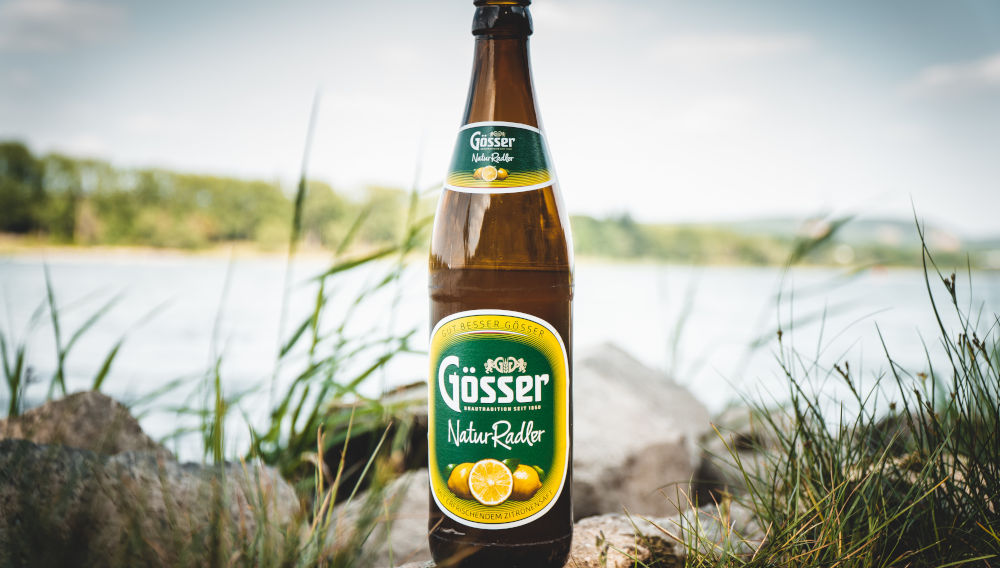
Magpie & Marten: Column | Getting back to our most recent discussion regarding a new type of Radler emerging in citrus-growing countries (see BRAUWELT International 2 2026, pp. 103–104), we will now broaden our scope both in space and time to consider other trends and traditions, both from inside and outside of Europe.
Over a pint
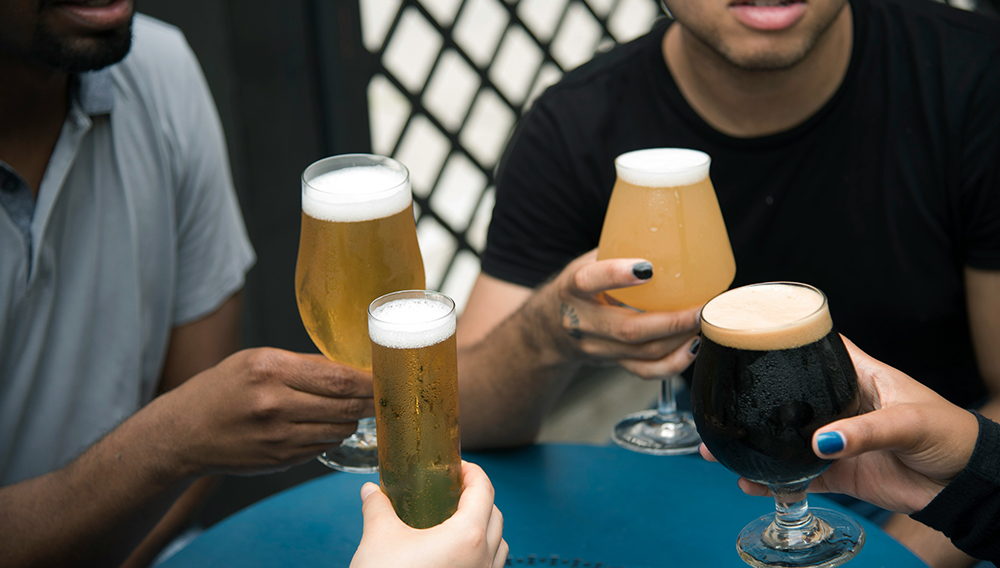
Radler has become a very popular beverage over the past decade or so even outside of its country of origin. Along with non-alcoholic beer, Radler is now a staple amongst the so-called “Dry January” crowd when the beer/liquor-drinking world feels the need to dry out after a month of festive swilling, which is generally marked as beginning on the Eve of St. Nicholas’ Day (December 5th) to Epiphany, i.e., Three Kings’ Day (January 6th). Of course, New Year’s Eve sits right in the middle of the Twelve Days of Christmas as well. Even though Radler is not completely free of alcohol, the concentration, which is already quite low in beer, is greatly diluted in a Radler; moreover, non-alcoholic Radler is now available as well.
Over a pint

There is a diminutive, starkly beautiful island on the edge of the sea, or the Western Ocean as it is called by the island’s inhabitants. This island nation is home to a remarkable culture, and those at home and in its diaspora have recently raised a glass to commemorate their own ‘apostle’ on his feast day, known to them as Pádraig. He happened to have been born on another, larger island to the east named Britannia by the Romans who’d settled part of it. Towards the end of Roman rule there, this young man was taken by raiders from his parents’ villa and sold into slavery. However, life had other plans for him, and he made it back home, where he was subsequently educated as a bishop. And yet, he felt the need to return to the island of his bondage as a Christian missionary, where he could preach the Gospel to the natives. They would eventually come to honor him as the patron saint of Éire, or Ireland as it is known in English.
Over a pint
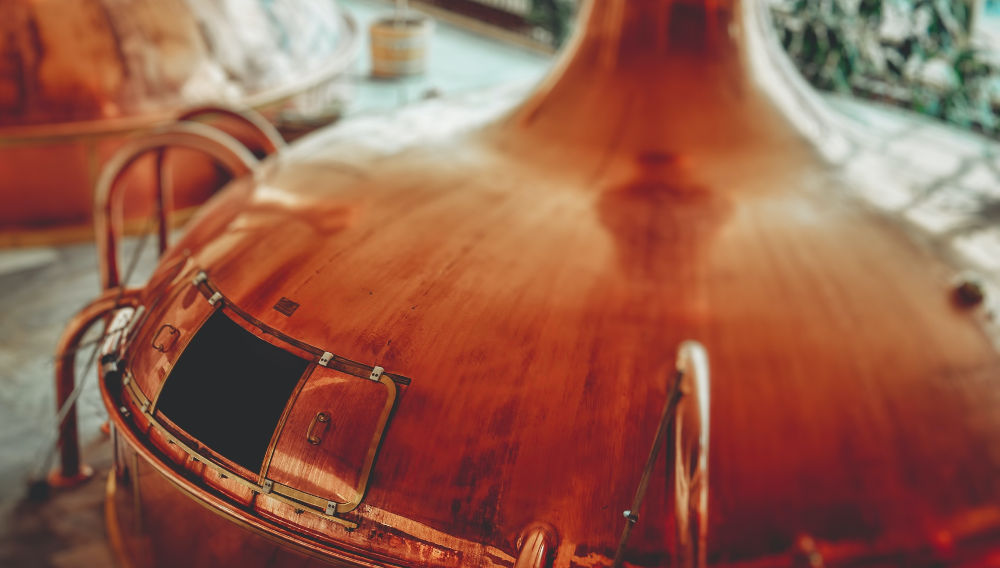
When peering into a mash vessel and watching the agitator go round in the gurgling mass of brewing liquor mixing with suspended particles of malt, what seems to be pure chaos is actually quite ordered by the melodies and rhythms of thermodynamics and biochemistry. All of these particles are bumping into each other to the throb of the laws of physics, and a marvel occurs before one’s very eyes. Enzymes primarily created during malting are moving around this aqueous suspension and facilitating the degradation of long polymers and other complex molecules over a remarkably short amount of time.
Over a pint
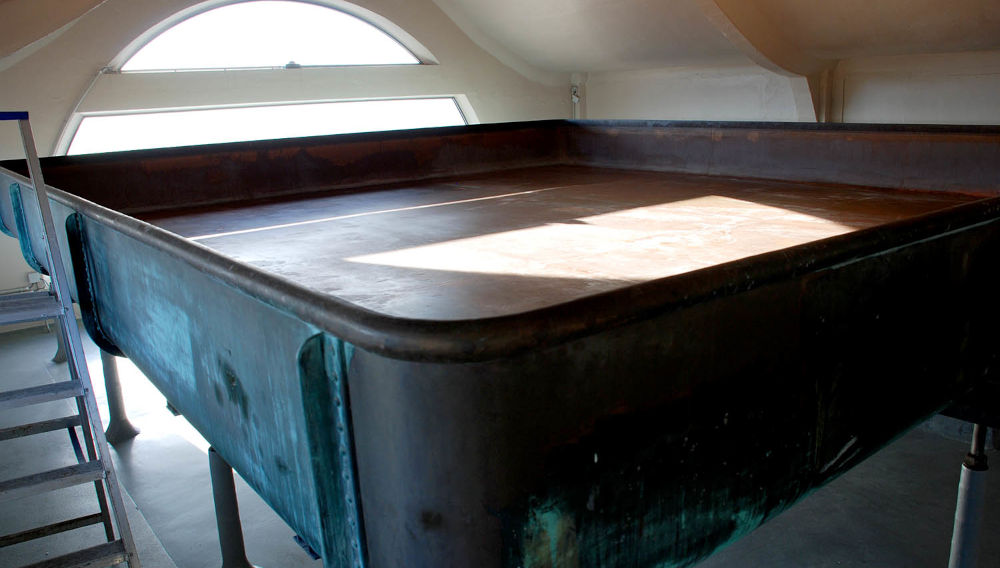
Magpie & Marten: Column | The past is fascinating. Modern brewing techniques do little to illuminate our previous efforts to make potable beverages from grain over the last 10+ millennia. We only see the end result of many gradual developments and extinct practices. The production processes common to almost every modern brewery, though widespread around the world, are not representative of the diverse methods that have existed over the entire history of brewing. Even though the laws of physics haven’t changed since they were set down by the Big Bang, there’s more than one way to coax fermentable extract from tiny, starchy, husk-encased grass seeds.
Over a pint
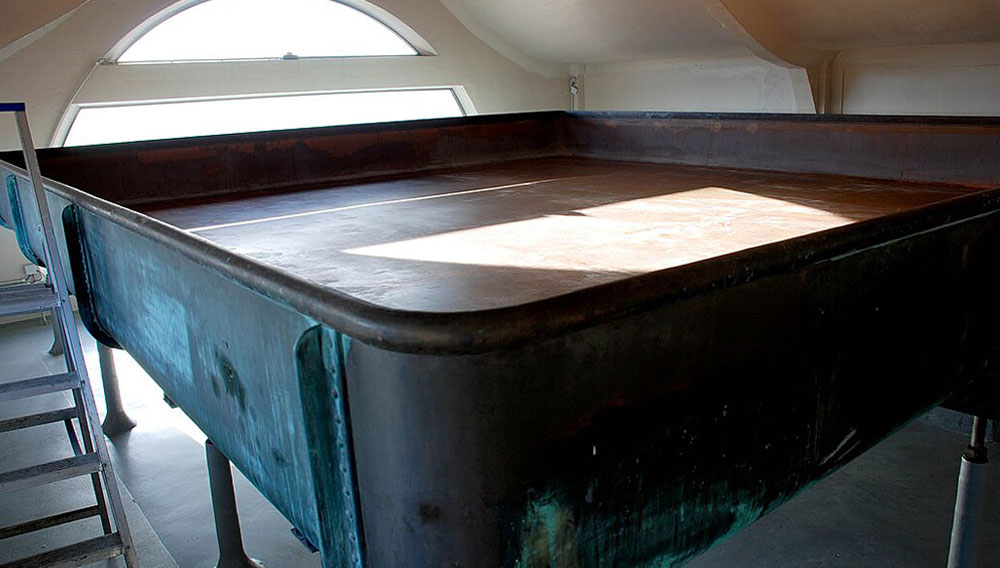
Some craft brewers have attempted to resurrect coolships or ‘flat coolers’ in beer production. However, their true purpose among craft brewers has largely been misconstrued. It is a vessel seldom encountered in a modern brewery, though it can still be quite expedient if utilized correctly. And yet the only real objections to their implementation are that a brewery cannot recover as much of the energy it has already suffused into the production process, and a proper coolship also happens to take up a lot of space. Modern technology in the form of post-whirlpool evaporation has even attempted to emulate their beneficial effects on the wort prior to chilling.
Over a pint
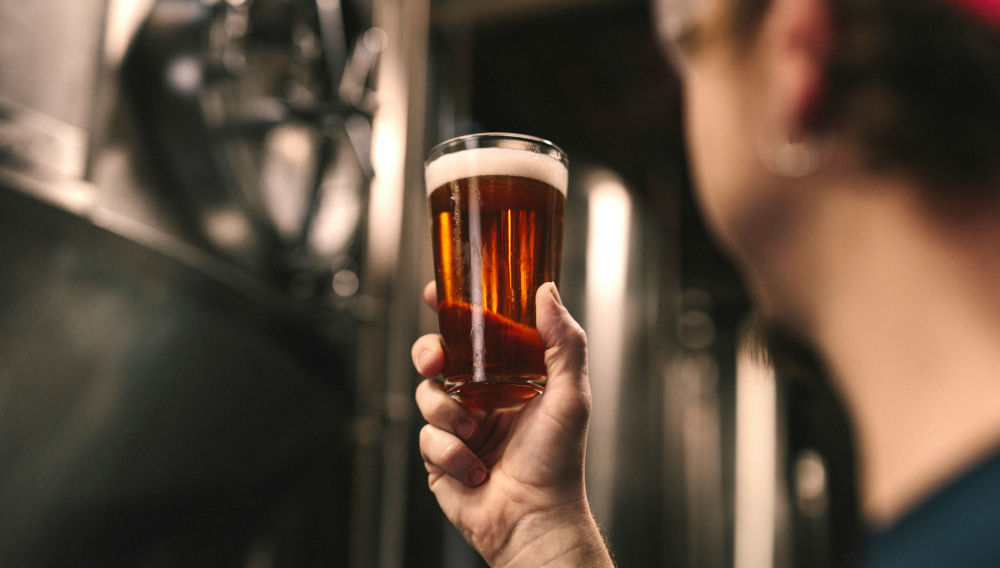
Magpie&Marten | Dear readers: The following discussion continues one that began in our previous column in the print edition of Brauwelt International, which is about cleaning and maintaining dispensing lines in the challenging milieu of serving modern non-alcoholic beverages and low-alcohol beers.