-
Home

-
Topics
- Management

Filling
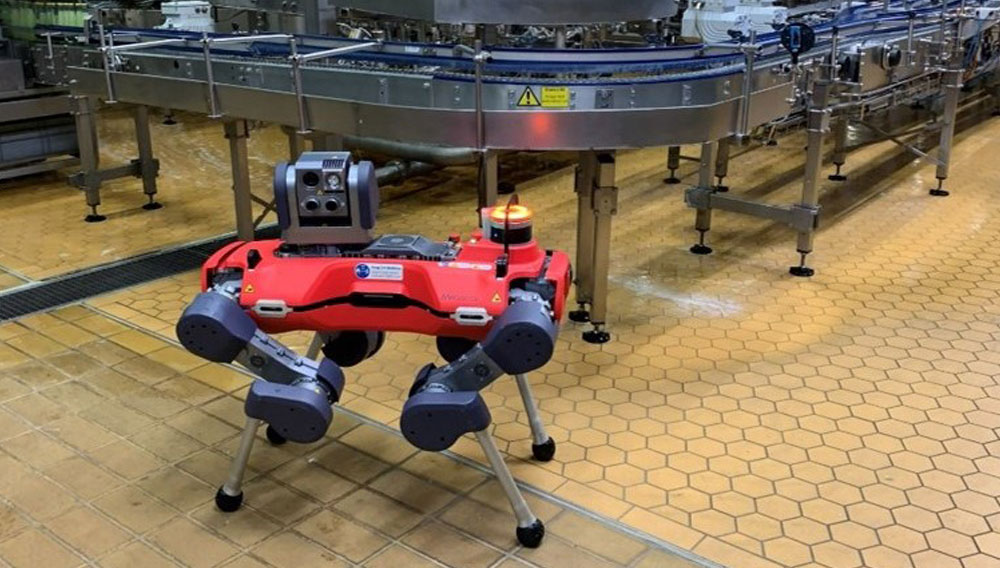
Autonomous inspection | Maintenance tasks in the food and beverage industry are subject to growing pressure. Increasing machine complexity, high quality requirements and a dwindling supply of skilled workers are exposing the limitations of classic maintenance and inspection concepts. However, help is on hand, with autonomous robots proving to be genuine helpers in day-to-day production.
Management

Innovation in education | En route to Industry 5.0, the industrial evolution is redefining the landscape of university education for industrial engineering. The prime aim here is to humanise industrial processes and encourage a harmonious interplay between people and technology. The focus is on improving physical and cognitive personnel skills, promoting inclusion, well-being and mindful interaction and ensuring that technological development is carried out both ethically and responsibly.
Management
Process automation | Modern breweries generate vast amounts of data every day, but systematic analysis of this data has often been limited up to now. A data-based analysis tool is now available based on a digital twin of the production processes. The aim is to identify potential for optimisation along the entire value chain. A complementary consulting service supports breweries in deriving and implementing concrete measures and actions based on the insights gained.
Management
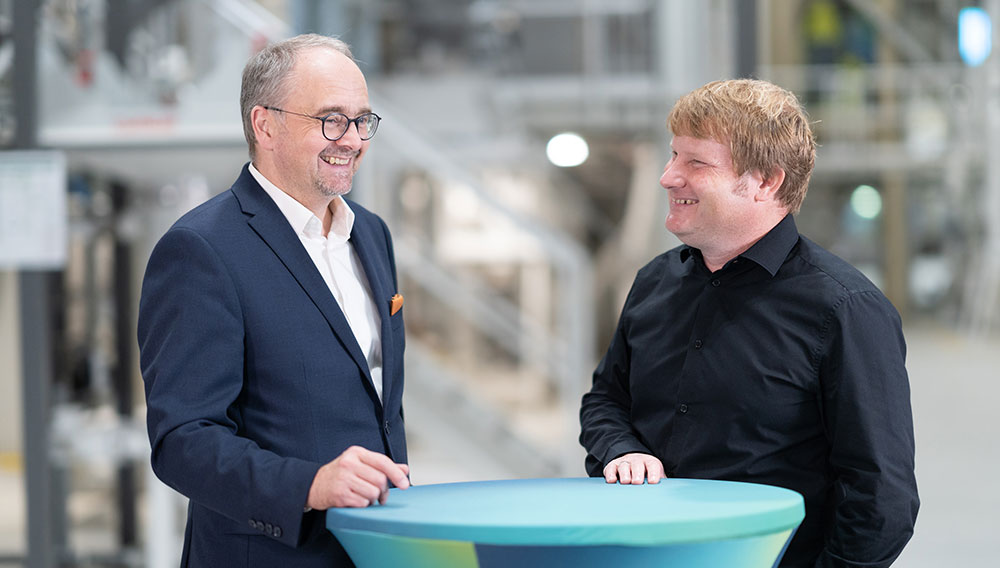
Merger | Plant-engineering company Esau & Hueber, based in Schrobenhausen in Upper Bavaria, Germany, has developed significantly in recent years and has been able to open up new markets in the life sciences sector in both process engineering and fermentation technology. In August 2024, the Swiss technology group Bühler acquired the company. In this interview, Christoph Sedlaczek, Managing Director at Esau & Hueber, and Johannes Preiss, Head of Malting & Brewing at Bühler, look back on the company’s integration.
Management

Expanding the portfolio | In the following article, BRAUWELT International author Horst Dornbusch talks about the need for craft brewers worldwide to diversify their portfolios and offers some background information on the legal situation for setting up a craft distillery. This article was originally published in the July/August 2025 issue of The New Brewer and is being reprinted with permission from the Brewers Association.
Brewhouse

Synergistic effects and opportunities | Digital transformation is rapidly changing the brewing industry. How can breweries ensure their production is more efficient, sustainable and future proof? Following the merger with Schneider Electric, BRAUWELT International spoke to Jürgen Wölfl, Vice President Proleit Software Services, and Frederic Vanhove, Global Head of Sales at Proleit, about innovations, modularity and the synergistic effects that result from the collaboration.
Management

Identifying potentials | Efficiently and effectively recognizing relevant optimization potentials along a supply chain is one of the essential challenges of today’s supply chain management (SCM) in the brewing industry. Supply chains for beer products are generally complex, the starting points are diverse, and resources are limited. A structured SCM benchmarking of all dimensions of SCM helps to identify significant potentials quickly and accurately.
Management
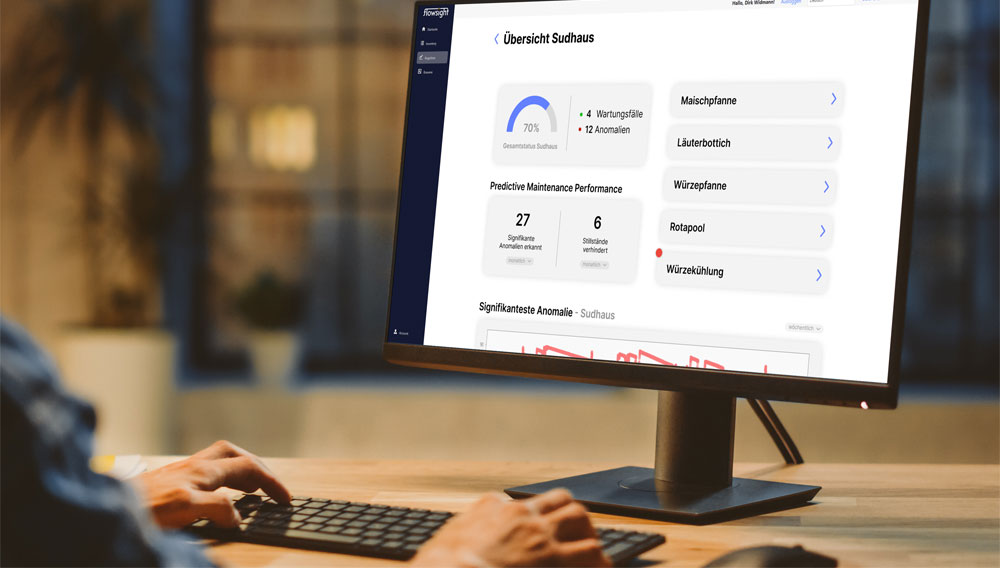
Dodging downtime | Decent maintenance is an indispensable part of smooth beer production operations. Often, maintenance programs are at a disadvantage since they lack an overarching understanding of what needs to be maintained, a symptom of which are unforeseen bouts of unplanned downtime. These problems can be solved through graphic visualization and precise maintenance forecasts, which fortunately allow for considerable cost savings by reducing downtime while also alleviating both hours spent on extra work for employees and undue stress. The company Flowsight, in collaboration with the S. Riegele brewery in Augsburg, has laid the foundation for keeping maintenance under control with AI.
Management
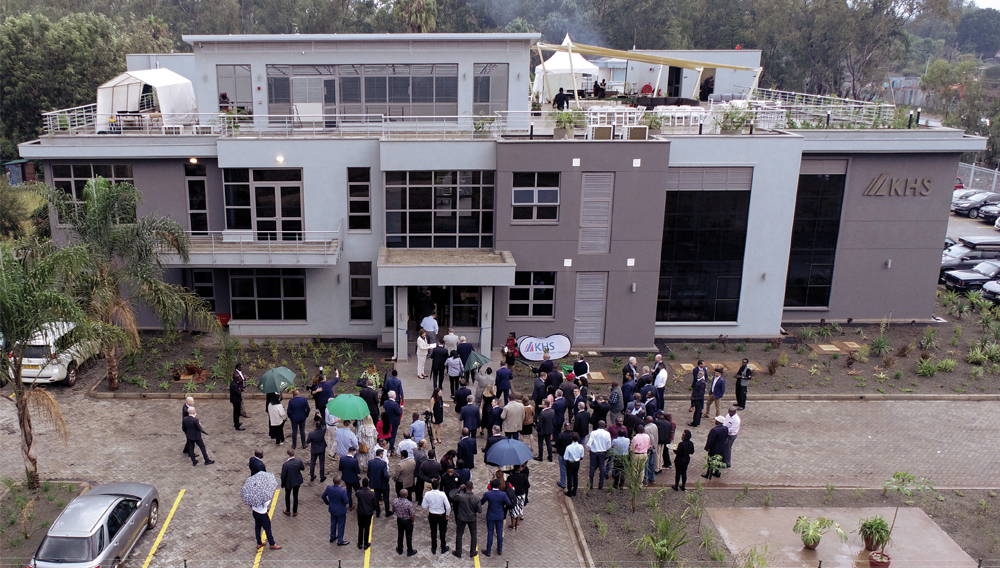
Maintenance and expansion | KHS is intensifying its customer relations with an extensive range of measures. These include building up and further qualifying its network, standardising structures and processes as well as hiring more personnel worldwide.
Current issue

Current issue
Most Read
BRAUWELT on tour
No events found