-
Home

-
Topics
- Filling
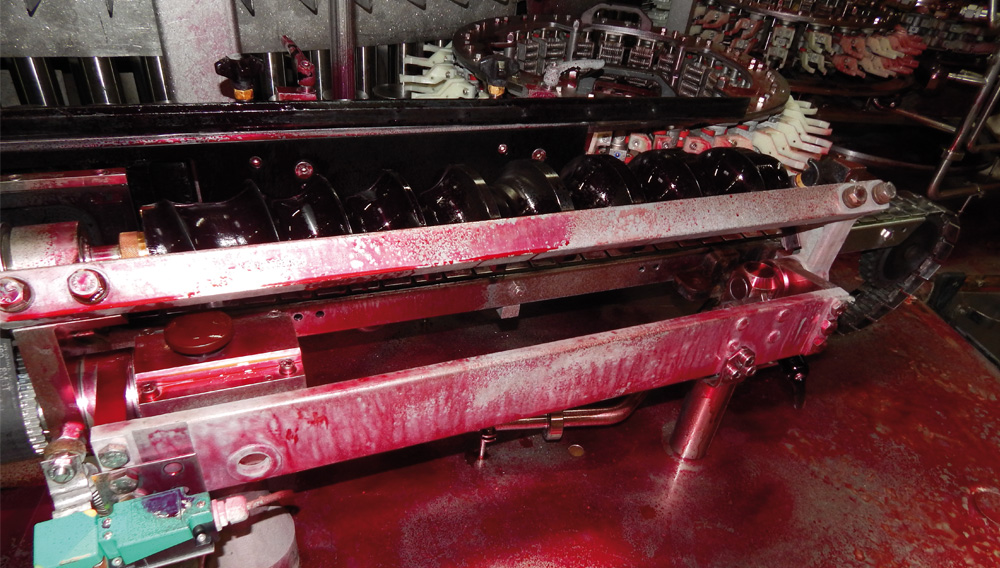

Filling
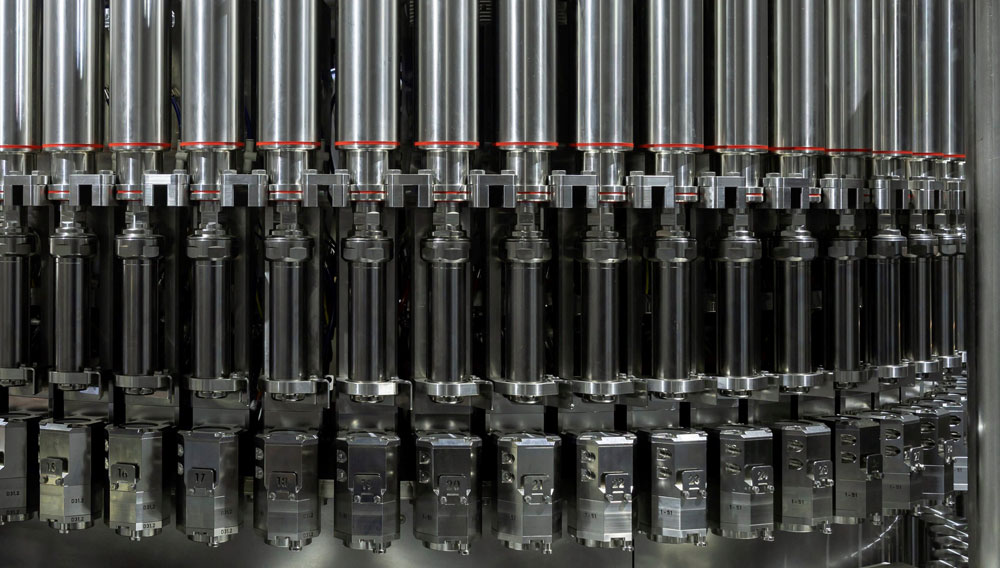
Sustainable filling | One of the vital issues for any forward-looking brewery is this: How can I save energy throughout the production process, in order to put it on a more sustainable footing? The Brewnomic concept from Steinecker, a Krones subsidiary in Freising, Germany, consists of several modules, many of which relate to the brewing process. But systems and lines used in the bottling operation can also contribute to overall sustainability. The Krones Dynafill system combines filler and capper in a single functional unit and contributes to the concept of a carbon neutral brewery.
Management

Data analysis | Increasing digitalisation makes it possible to collect and analyse copious amounts of data with multivariate cause-and-effect relationships. However, brewery operations face major challenges when attempting implementation on their own. This contribution presents findings and solution pattern from the research project “Data-driven Process Optimisation using Machine Learning in the Beverage Industry” (DaPro).
Cleaning/Disinfection

Brewery hygiene | If we look back on 50 years of brewing microbiology, we gain a number of extremely interesting insights. Can we draw a positive conclusion here or are there also negative aspects that have to be taken into account?
Filling
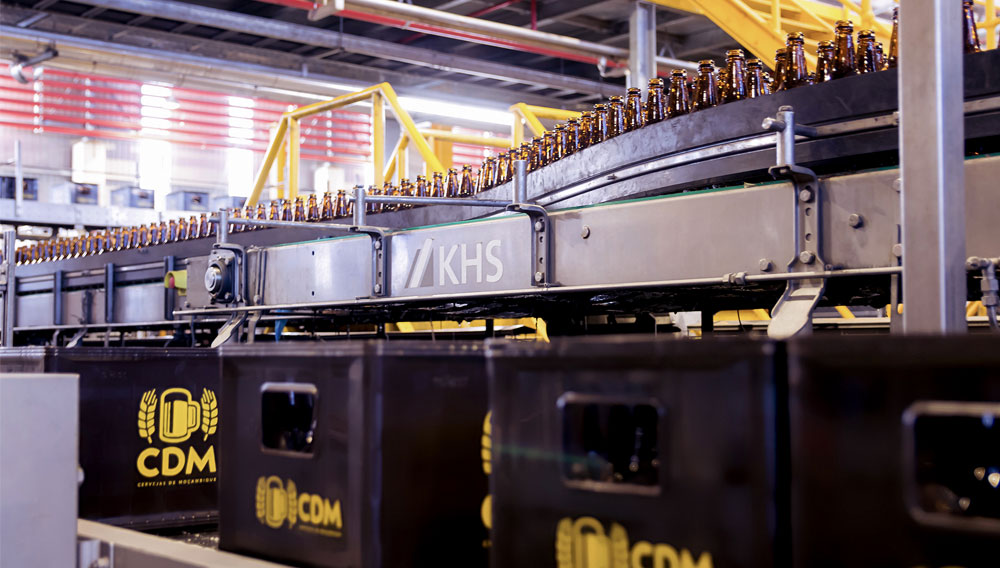
Successful installation | Using high-tech from KHS, AB-InBev subsidiary Cervejas de Moçambique in Mozambique has now built the biggest and most modern brewery in Africa. The heart of the system is what the customer claims to be the fastest returnable glass line on the continent, whose successful installation and commissioning neither a catastrophic tropical cyclone nor the raging corona pandemic were able to prevent.
Filling
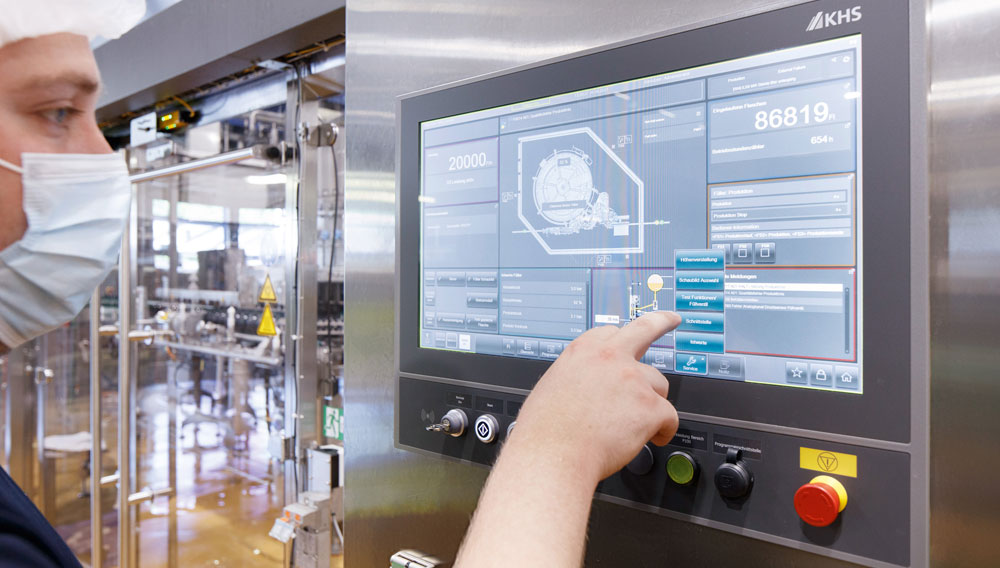
Oxidation processes | Brewers are all too aware of the fact that beer is probably the beverage that reacts most sensitively to oxygen. What is known as the oxidation off-flavor occurs if there is too much oxygen pickup. Trend beers made using the rediscovered cold or dry hopping technique quickly alter their taste with oxygen pickup. Standard light beers are also especially sensitive to oxygen, however. Dark beers, on the other hand, often display considerable flavor tolerance to an oxygen content of above and beyond 0.1 mg/l.
Filling
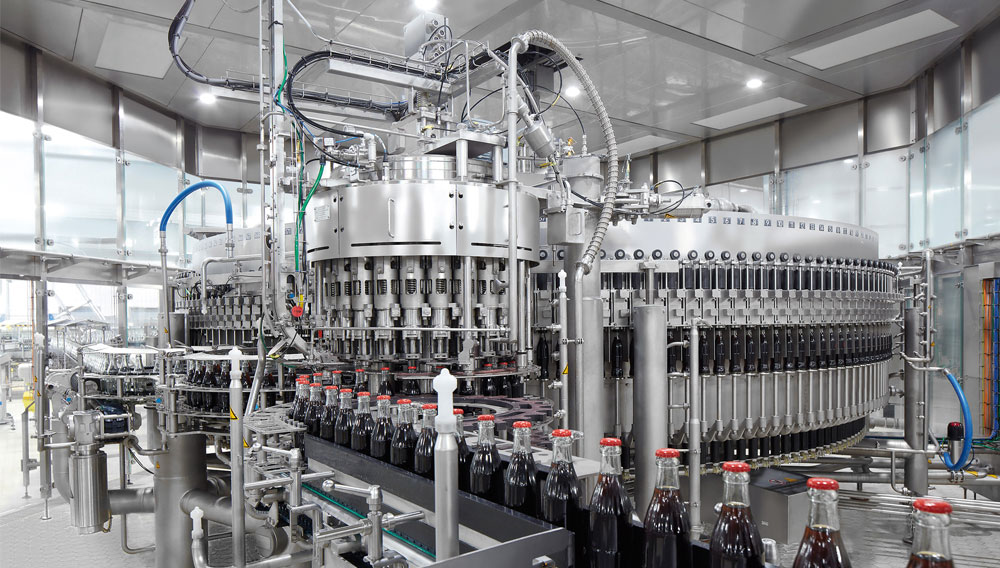
Highly complex sorting processes | Within the space of just three years, Coca-Cola in Germany has invested around 50 million euros in one of its biggest plants in Mannheim. KHS has contributed a returnable glass line to the project – one that also manages highly complex sorting tasks.
Filling
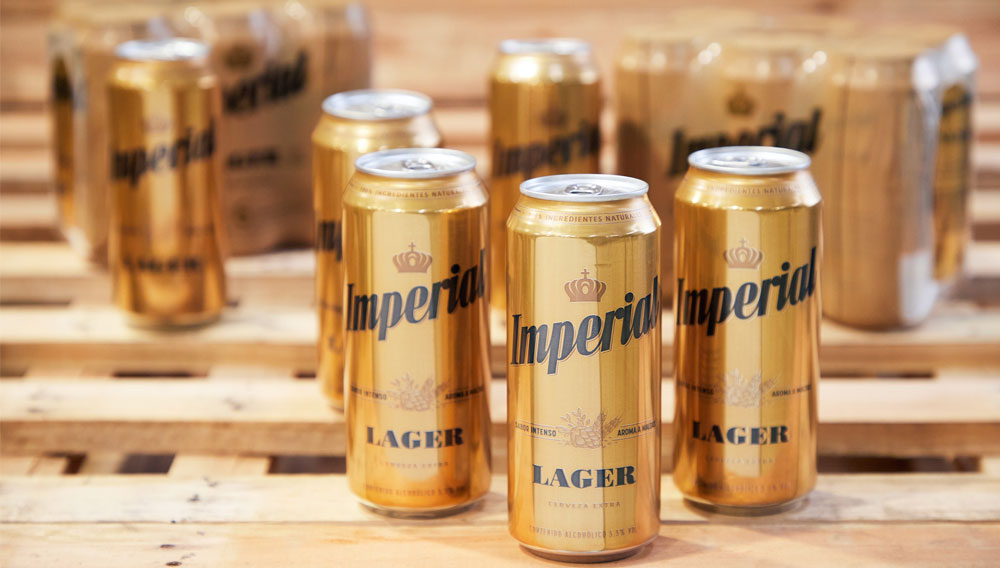
New equipment | In just a few years Argentinian brewery CCU has increased its market share to 33 % – thanks to its commitment to the beverage can. With a filler and two turnkey lines KHS demonstrates that the company was right to place its trust in such a competent assistant.
Filling
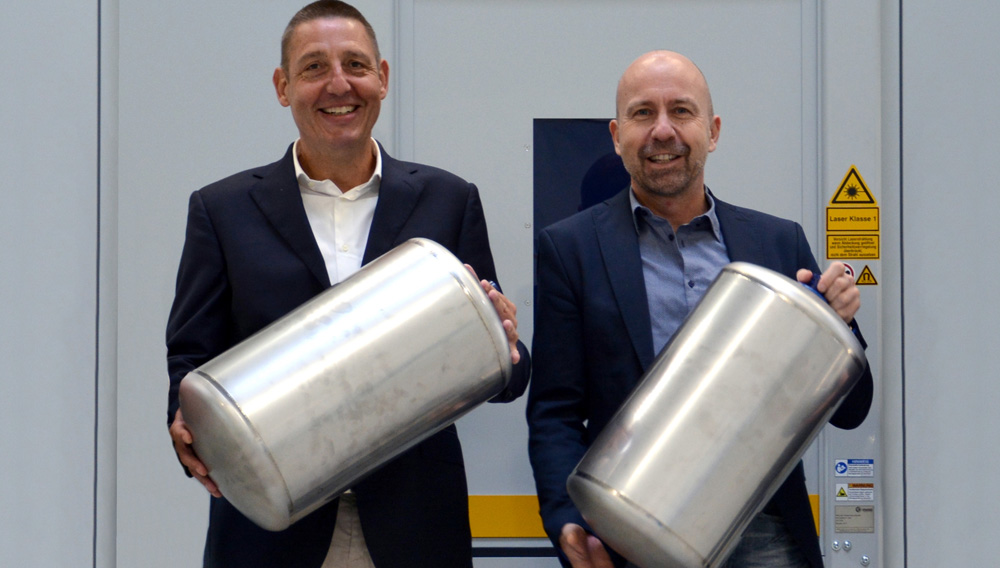
Versatile stainless steel keg | Formerly, beer was stored and transported exclusively in wooden barrels and dispensed from same. As wood has many drawbacks for product and handling, the first cylindrical stainless steel keg with a screwed-in riser pipe was invented in Great Britain in 1964. It took many years until it became established in Germany and replaced the bellied wooden – and later aluminium – kegs. The stainless steel keg has hardly changed for decades and, as returnable container, is the golden standard in gastronomy.
Filling

Empty bottle inspection | The VLB proof of performance test for empty bottle inspection machines is a method for assessing the detection performance of inspection machines and identifying potential areas for optimization. Furthermore, analysis of the data gathered over the last ten years provides an insight into the development of detection performance and enables conclusions to be drawn as to which conditions need to be created for commissioning in order to be able to exploit the full potential of new empty bottle inspectors.
Filling

Digital assistants | Without suitable IT/OT systems, it is practically impossible to operate filling plants efficiently. However, smartwatches, so-called wearable devices, hardly play a role. But their potential is enormous and use of same is nowadays possible without any problems.
Filling

Reaction kinetics studies | Gentle handling of beverages during the preservation steps is becoming increasingly important, particularly for products with sensitive ingredients. Relationships between chemical changes and microbiological deactivation could have the potential of retaining valuable ingredients, e.g. L-ascorbic acid, in juices.
Current issue

Most Read
BRAUWELT on tour
Current issue
Most Read
BRAUWELT on tour