-
Home

-
International Report
- Europe/Russia

Europe/Russia
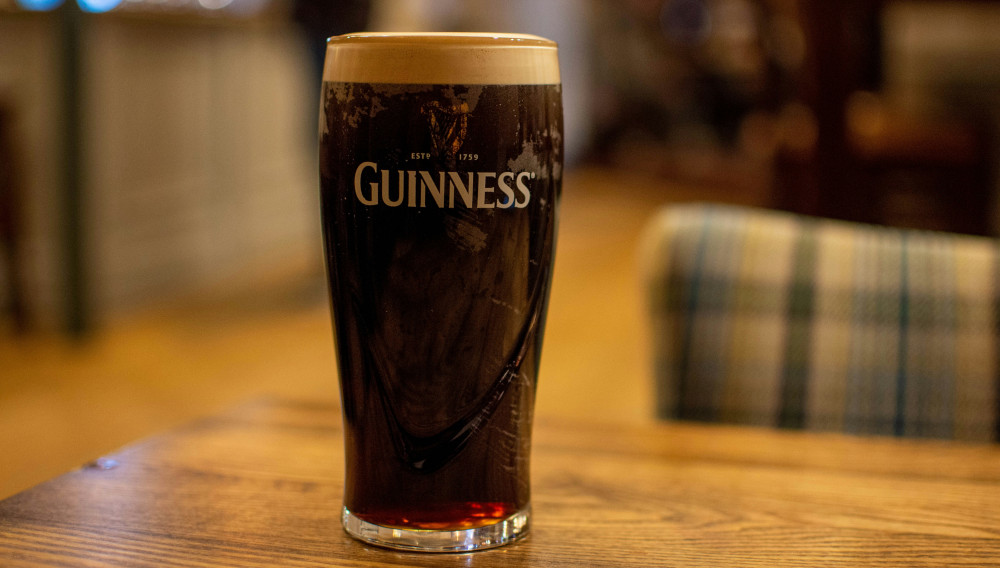
United Kingdom | Guinness brewer Diageo, on 6 May, beat third-quarter sales forecasts, posting 0.3 percent growth in net sales, helped by strong Guinness demand in Ireland and the UK and stocking up in Latin America and the Caribbean ahead of the soccer World Cup.
Europe/Russia
The Netherlands | Heineken has started a court case against the US government over too-high import tariffs, CFO Harold van den Broek told company shareholders at Heineken’s annual general meeting on 23 April. He was quoted as saying by Dutch media that Heineken has paid “tens of millions of euros too much” to import raw materials and finished products into the United States.
Europe/Russia
Denmark | Royal Unibrew’s loss is Carlberg’s gain. Shares in Royal Unibrew lost more than a quarter of their value on 21 April, after PepsiCo reshuffled its Nordic bottling contracts, handing Carlsberg a long-term win and dealing a blow to its smaller Danish rival.
Europe/Russia
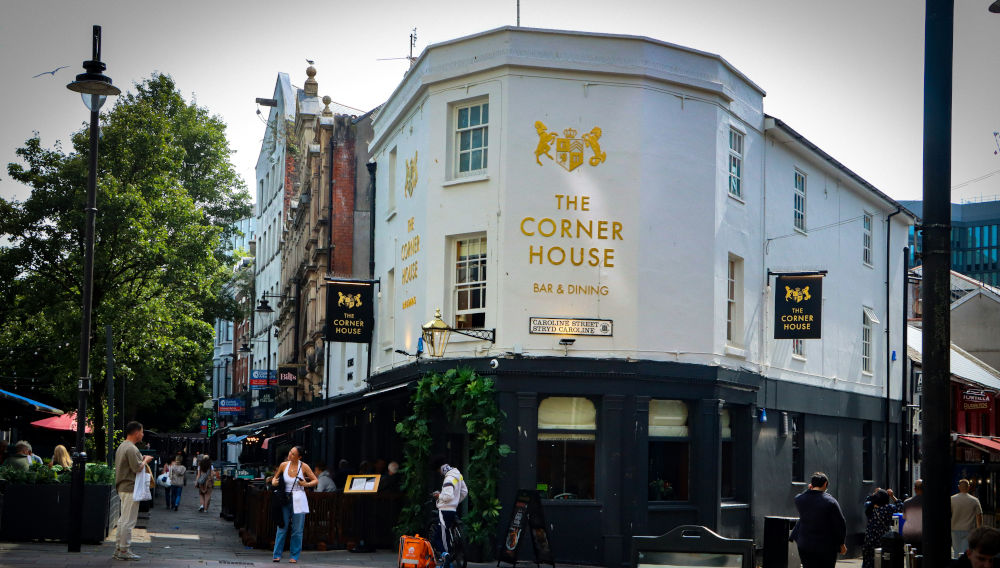
United Kingdom | Drinkers of some of the UK's most popular beer brands may have noticed that their pints are not as strong as they used to be. This is because breweries in the UK have been reducing the alcohol content of some of their most popular beers since 2023, and making huge tax savings as a result.
Europe/Russia
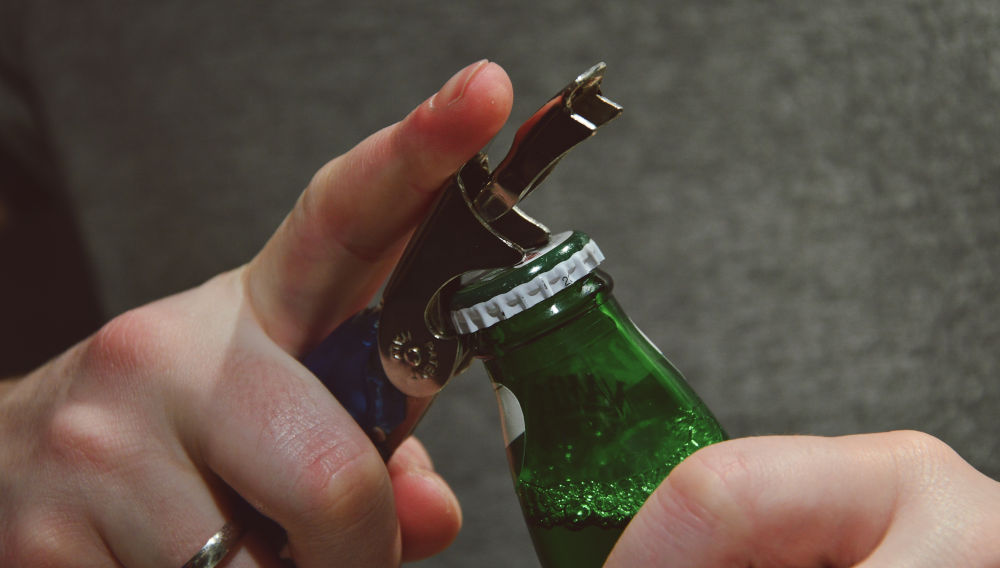
Belgium | Beer labels contain a lot of information. Some of it is required by law. Some is voluntary. Some is marketing. Knowing the difference is not always straightforward. That is exactly what the European Beer Consumers’ Union’s new Know Your Beer campaign is designed to help you with, via a new website knowyour.beer.
Europe/Russia

The Netherlands | Who knew that Heineken discreetly invested in the Iranian soft drinks company Castle Noush, partnering with the Solico Group in 2018, the same year the US tightened sanctions? In 2025, the Dutch brewer sold its stake to its partner and completely withdrew from the country after the business sustained losses, the website Follow the Money (FTM) revealed on 11 April.
Europe/Russia
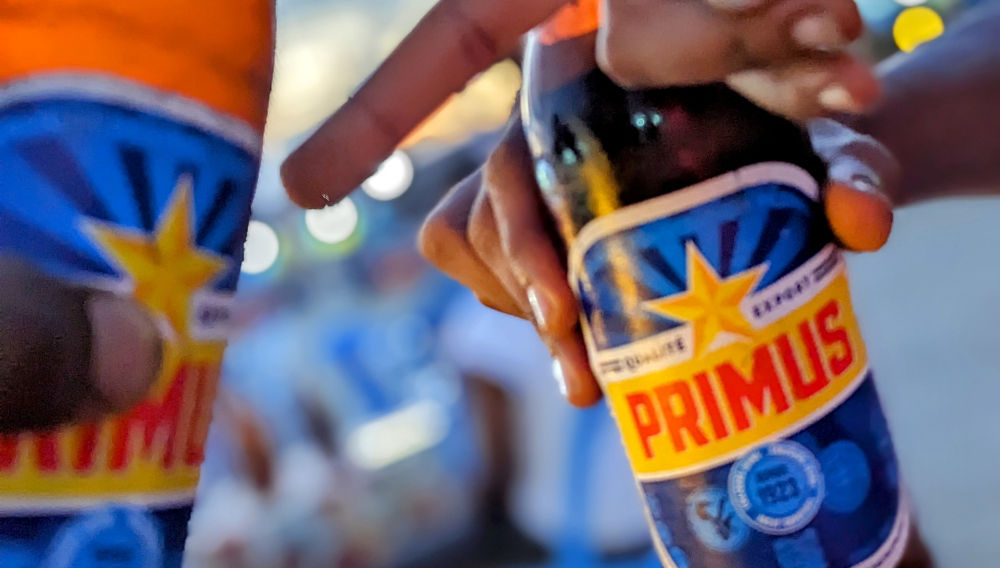
The Netherlands | Heineken has sold its stake in Bralima, its brewing subsidiary in the Democratic Republic of Congo, ending decades of direct ownership in a market where armed conflicts have severely disrupted its business. Bralima was acquired by Mauritius-based ELNA Holdings, which will take over operations, including production, distribution and employees, the Dutch brewer reported on 10 April. Financial details were not disclosed.
Europe/Russia
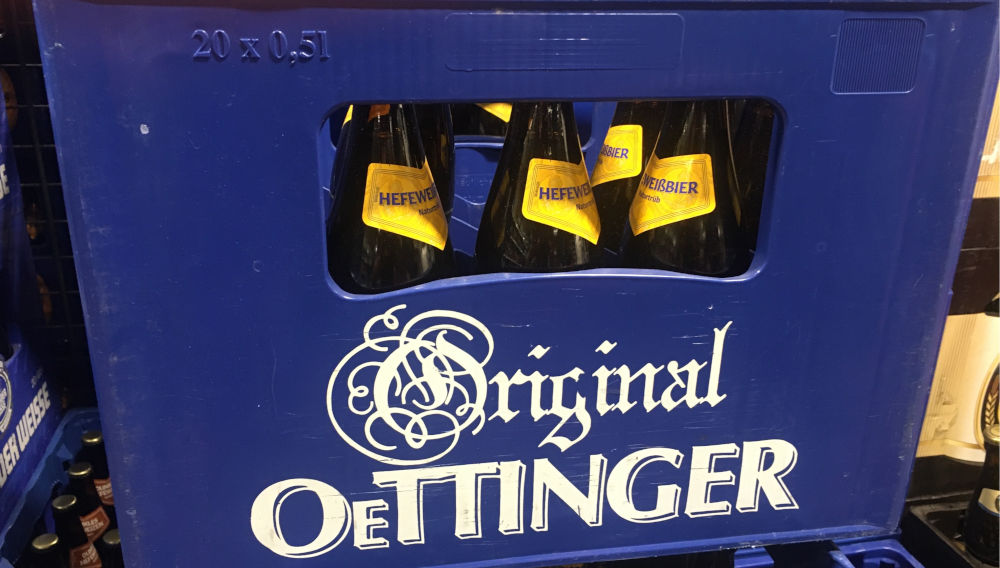
Germany | The German brewery Oettinger is expanding its international business. To this end, it has established a company in Switzerland. As a result, Oettinger has come under scrutiny by the German tabloid newspaper Bild, alleging potential tax evasion. Oettinger confirms the international expansion but refutes the allegation that it may relocate its domicile.
Europe/Russia
Austria | It’s the question dividing Villach: Should a beer brand, which is no longer brewed locally, be allowed to continue bearing the city’s coat of arms? The story so far: In 2024, Heineken Austria, the owner of Villacher brewery (founded in 1858) in Carinthia, southern Austria, announced it would close down the 320,000 hl brewery and replace it with a “city brewery” – a cute term for what is basically a 7,000 hl microbrewery.
Europe/Russia

United Kingdom | The announcement on 30 March, that the rapper Ye (formerly Kanye West), known for his numerous antisemitic outbursts, would top the bill at London’s Wireless Festival in July caused such an outcry that PepsiCo and Diageo withdrew their sponsorship and the UK Home Office denied him entry on the grounds that his “presence would not be conducive to the public good”.
Most Read
BRAUWELT on tour
Most Read
BRAUWELT on tour